The Quiet Power of Idle Games: How They’re Stealing Gamers’ Hearts
Move over high-octane shooters and complex RPGs — there's a silent revolution happening on smartphones across Ecuador and beyond. It's not flashy. It doesn’t scream for attention. But step into any café in Quito or hop on a Guayaquil bus, and you’ll likely spot someone casually glancing at their screen as their monster army autobattles its way to level 8,000.
Yes, we’re talking about idle games. Not the kind that make headlines. More like the ones making micro-changes to your daily grind. And somehow — quietly, sneakily — they’re consuming more playtime than their splashier cousins.
Passive Play? That’s the Point
The term “idle" sounds boring. Lazy, even. But isn’t that the charm? Life in modern Ecuador — from balancing family duties in Cuenca to hustling a dual-income routine in Guayaquil — isn’t slowing down. So, the rise of games you don’t need to “game" anymore? It makes sense.

Idle games thrive on absence. The less attention you give them, the better they perform. Like a digital slow cooker. You load it. You forget it. And boom — hours later, you return with gold mines mined and dragons trained. The core promise? Progress without pressure.
A Genre With No Rules — But a Whole Vibe
It’s tough pinning down idle games into one neat category. Some feel like RPG hybrids, others lean toward management sims, or puzzle loops with exponential curves. One common thread? Automation.

Battle. Tap. Upgrade. Repeat… but the repeating mostly happens on its own. Your job is more curator than controller. And somehow, this minimalist rhythm has drawn tens of millions. Not because it’s epic. But because it’s manageable.
Why Idle Games Resonate in Latin American Markets
Take Ecuador: high mobile penetration, intermittent Wi-Fi, limited data. Console? Rare. PC? Not for everyone. Enter idle games: light on resources, forgiving with battery life, and no need for constant engagement. Perfect for spotty connections and short breaks.
Add in local work rhythms — informal hours, frequent multitasking — and the idle format feels almost tailor-made. A delivery rider checks his auto-miner mid-route. A teacher in Ambato grows her in-game empire during classroom prep. This isn’t escapism. It’s synchronized life gaming.
From Clickers to Kingdoms: The Evolution of Passive Gameplay
It all started with a click. Then a timer. Then a script. Remember Cookie Clicker? That quirky browser gag became the granddaddy of idle innovation.

Fast forward, and we’ve got titles where armies evolve while you sleep, civilizations rise in real time, and even **text-based epics that write themselves**. The genre morphed — not by adding flash, but by removing friction. The dream wasn't to win. It was to never log out.
Are Idle Games Really Games?
Sure. But ask 10 people, get 12 answers. Critics say, “If you’re not *playing*, what’s the point?" Purists cringe at calling idle a real game. No tension. No quick decisions.
But here’s the flip: emotional investment still grows. Watching your base expand while you’re offline creates attachment. Upgrading that mythical forge after weeks of compounding gains? That rush is *real*. The fun just sneaks up on you — like a stealthy algorithmic serotonin drip.
The Psychology Behind the Idle Addiction
Lets talk dopamine. Every loot drop, level unlock, or idle multiplier hits that sweet cognitive itch. It’s **Skinner box** logic — intermittent rewards keeping you coming back. And since the games are always “in progress," they become companions.
No forced schedules. No raids at midnight. Just quiet progress. In stressful times — economically tight Q1 in 2024, anyone? — a low-stakes, always-open digital safe space? That’s not just fun. That’s functional.
Matching Story Game: A Surprising Idle Subgenre
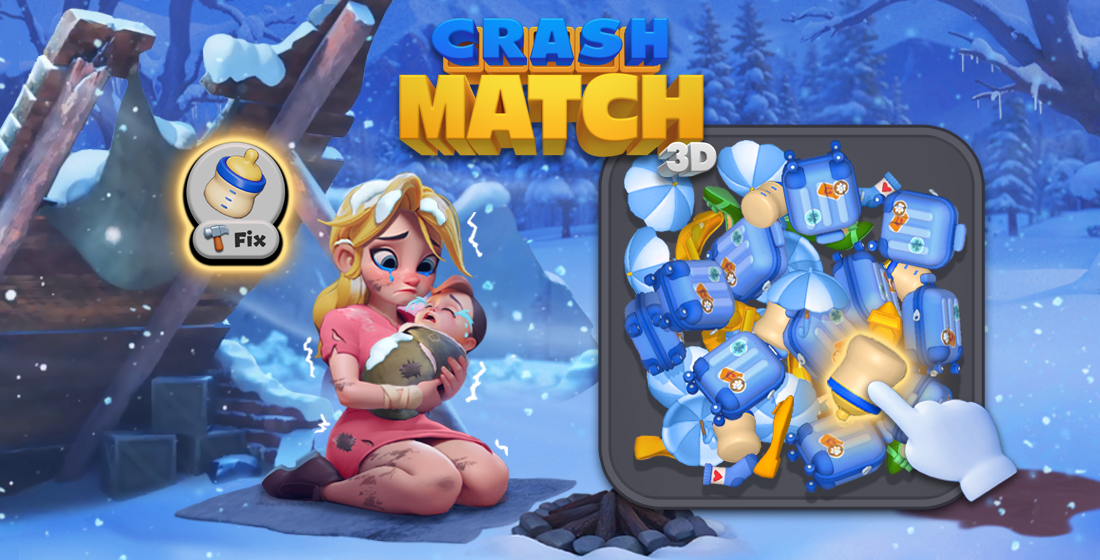
Enter the matching story game trend. Think: combine classic matching mechanics (swap three, clear tiles) with unfolding, serialized stories — where plot points trigger after every few stages, and the game plays *for you* in the background.
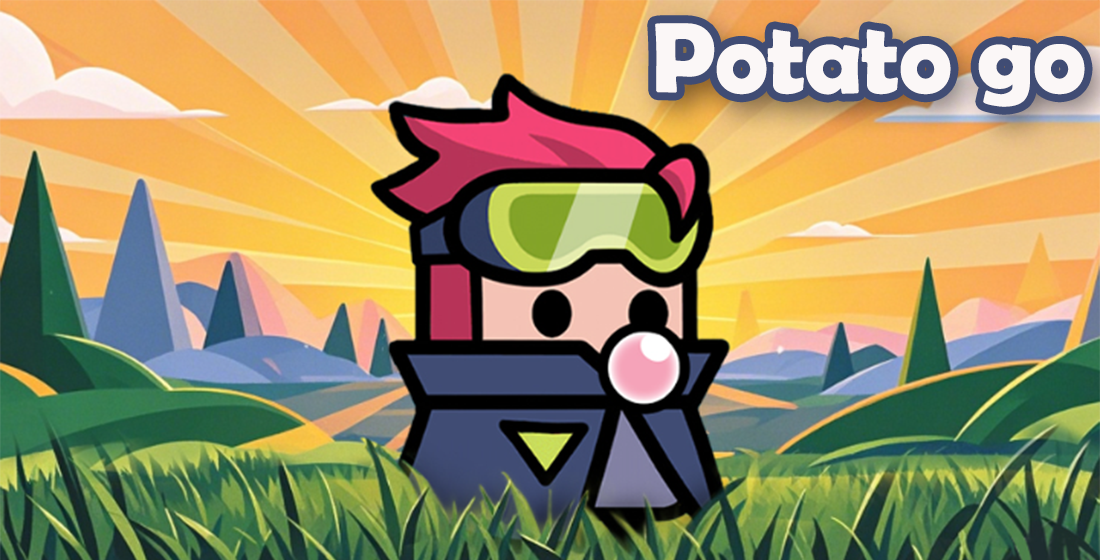
In Latin markets, this works like a charm. Telenovela pacing meets idle loops. You match gems by day; by night, the love triangle in Episode 7 unfolds whether you touched the screen or not. Narrative continuity without the time investment? Brilliant.
Where Automation Meets Aspiration
Some idle experiences are now so layered they blur into pseudo-strategy titles. Resource allocation matters. Passive hero gear choices impact hourly yields. And sure, nothing collapses if you ignore it — but optimal players? They thrive on micro-tweaks between real-life tasks.

The beauty lies in the balance: depth without demand. A housewife in Loja might max out her fantasy forge between laundry and lunch, never needing to go full hardcore.
Best RPG Games Switch? Think Beyond Consoles
Nope. We’re not comparing Switch giants like Breath of the Wild here. But ask yourself: how many of the best rpg games switch can you play during a coffee break, no controller needed?

Many mobile idle hybrids now offer deeper lore, skill trees, and even party progression that shame full-fledged console RPGs in pure engagement hours. The narrative might be weaker, but the persistent progression? Unmatched. Why start a 60-hour epic you may never finish, when an idle fantasy world keeps growing — quietly, persistently — each time you unlock your phone?
Social, But Not Annoyingly So
Some idle games now feature lightweight guilds, co-op boost zones, or friend-based energy exchanges — but none of the pressure. No guilt. No spammy “send help!" messages. Socialization on *your* terms.
This low-intensity networking hits different in community-centered cultures. It’s the mobile version of “pass the empanada" — casual connection without chore.
The Hidden Art of Idle Design
Building a great idle experience isn’t as easy as “make things automatic." Beneath the calm are carefully crafted growth curves, soft walls, strategic bottlenecks — all tuned to deliver satisfying surges just when you’re about to lose interest.
The best titles play like digital garden tending. Plant. Wait. Harvest. Replant. And somewhere in that cycle, the rhythm hypnotizes. No music. No explosions. Just math… beautifully dressed as magic.
Idle ≠ Boring: The Myth Busted
If you think idle is mindless, try explaining that to someone who’s spent 300 real-world hours building a pixel empire with no direct control.

There's *planning*. Long-term thinking. Emotional stakes. And let's not forget — most idle games eventually reach numbers so absurd, you start to question physics. (Who knew 7 sextillion mana per second could feel... underpowered?) The absurdity becomes the thrill.
| Game Type | Engagement Level | Offline Gain? | Data Use (Avg) |
|---|---|---|---|
| Action RPG | High | No | 80–200 MB/hr |
| First-Person Shooter | Very High | No | 150+ MB/hr |
| Traditional Idle Game | Low (passive) | Yes | 1–3 MB/session |
| Matching Story Game | Medium (episodic) | Limited (event-driven) | 10–20 MB/day |
Future of Idle: Beyond the Background Loop
The genre's morphing. Expect tighter narrative threads, cross-device sync, even idle modes inside non-idle games. Imagine a Zelda-style quest where your side farm grows while you battle bosses.

The future ain’t just about automation — it’s about integration. Seamless gaming that breathes with your lifestyle, not dominates it.
- 🎮 Mobile-friendly design is king — no complex controls
- ⚡ Offline progress builds emotional attachment
- 🧩 Blending mechanics (like matching story game) expands appeal
- 📉 Lower barrier to entry = wider audience, especially in regions like Ecuador
- 📈 Idle economies mimic real investment — wait, compound, profit
Key Takeaways
Let’s cut through the noise. What actually matters about this quiet wave?
- Idle games are sustainable — they match real-world limitations of time, data, and device power.
- Their genius lies in **asynchronous growth**, turning absence into gain.
- Subgenres like matching story game add narrative flavor without raising the engagement bar.
- They challenge traditional ideas of what a game should feel like — and win by not trying too hard.
- Even when compared to acclaimed titles like the best rpg games switch, their retention and daily usage stats? Often higher.
Conclusion

The takeover isn't loud. It’s silent, gradual, and surprisingly effective. While gamers debate frame rates and 4K textures, **idle games** are winning the most valuable prize: daily presence.
In places like Ecuador — where life’s already multitasking mode — this genre isn’t just fun. It’s functional. Emotional, but not draining. Engaging, without being oppressive.

So yeah, they might not have cinematics or voice acting. But open your battery usage stats. See that little-known app hogging 12% over three days of zero interaction?
Yeah. That one's winning.
And maybe... it’s not that we’re playing less. Maybe we’re just playing smarter.